Dhurandhar The Revenge Review: A Brutal Sequel That Still Knows How to Hold a Theatre
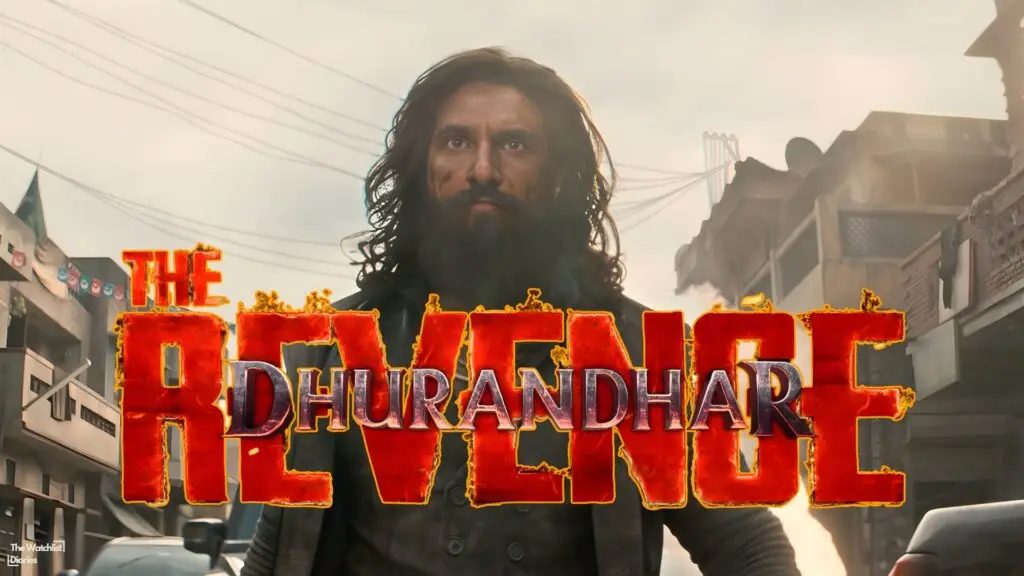
When Dhurandhar ended with that now-famous title card promising that revenge would begin on March 19, most people in the theatre already knew they were coming back. The first film had done enough damage, both emotionally and physically, to create the kind of anticipation that sequels usually beg for and rarely deserve. It was violent, surprisingly grounded, and confident enough to let emotional moments sit without immediately running back to explosions.
So naturally the big question around Dhurandhar The Revenge was simple: does it actually justify that build-up, or is this one of those sequels that arrives louder and leaves weaker?
At a Glance
- Director: Aditya Dhar
- Cast: Ranveer Singh, Arjun Rampal, Sanjay Dutt, R Madhavan
- Runtime: 229 minutes
- Rating: 4/5
- Verdict: Bigger, bloodier, slightly less raw than the first film, but still a highly effective theatrical watch.
The sequel understands exactly why the first film worked
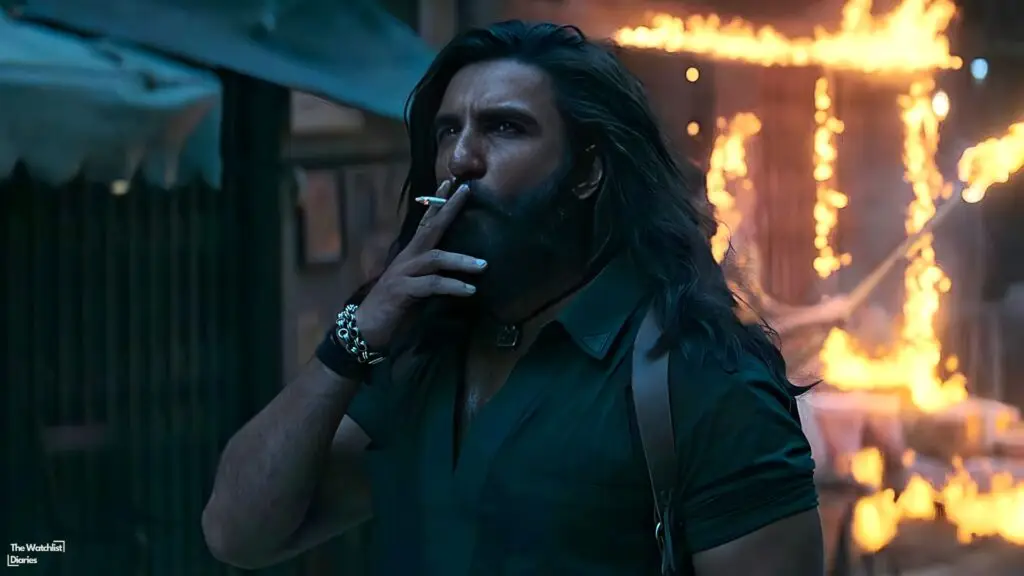
What made the first film work was the strange balance between gore and emotional control. It had brutality, but it also had a pulse. This sequel understands that strength and pushes harder in the same direction. The violence is messier this time, several scenes are more openly brutal, and the film spends more energy unpacking Hamza Ali’s past, especially the road that shaped him into the version audiences already knew.
Fans who walked in expecting the sequel to soften itself are in the wrong theatre. The film opens with the same confidence the first one had and then keeps widening its scope chapter by chapter.
Aditya Dhar knows how to control a very long film
That chapter structure returns, and honestly it remains one of Dhar’s smartest decisions as a storyteller. A runtime of 229 minutes sounds like a challenge on paper because even strong action films can collapse under their own ambition if pacing slips for twenty minutes. Here, that problem never really arrives because each chapter has its own dramatic rhythm, and Dhar knows exactly where to leave one emotional beat hanging before moving into the next.
Even the chapter names deserve mention because they clearly are not random stylistic decoration. The first film already enjoyed symbolic naming, but this one leans into it even more openly. A chapter called Lucifer immediately tells you what mood it wants, and then the film quietly builds around that symbolism through Hamza’s rise in Lyari and Karachi, his growing control, and eventually the way he is framed as Sher-e-Baloch.
There is an obvious myth-building instinct here. Hamza is repeatedly spoken about like someone larger than the machinery around him, almost as if the world inside the film has accepted that ordinary definitions no longer apply to him. The film keeps quietly reinforcing that idea through his rise in Lyari, the way fear follows him, and eventually the way he begins to rule spaces that are presented almost like his own underworld.
That makes the Lucifer chapter land even better, because the symbolism does not stop at rebellion or favour. It also leans into the idea of Hamza becoming a kind of king of hell inside this world the film builds around him. At one point I genuinely caught myself doing full school-level literary analysis in my own head because the film keeps nudging you there. Hamza being described as God’s favourite while a chapter openly carries Lucifer imagery feels deliberate enough that you stop questioning whether you are reading too much into it.
So yes, people are absolutely going to revive the old peak detailing by Aditya Dhar jokes again, and this time I may not even argue with them.
The politics will again split audiences
One of the loudest criticisms around the first film was that it blurred fact and fiction in ways some viewers found openly ideological. If you thought those lines were already thin there, here they are barely pretending to exist. The sequel is even more direct in how it frames certain events and positions.
That means if the first film’s politics irritated you deeply, this one will probably test your patience for nearly four hours.
And honestly, if that was already your reaction before, you may save yourself the time and the rage by sitting this one out.
That said, I do think criticism around propaganda in cinema often becomes selective depending on geography. Similar framing in Western military thrillers usually gets treated with far more generosity, which makes some reactions feel suspiciously inconsistent. That larger argument deserves its own room, so I will leave it there.
The action is bigger, but sometimes less raw
Where this sequel does fall a little short of the first film is in the action texture. The first film had a rawness that made every violent exchange feel unpleasantly immediate. Here the action remains brutal, but several sequences feel more dramatic than grounded. Weapons appear where they are needed, movement occasionally bends toward spectacle, and certain moments ask you to accept cinematic convenience more willingly than before.
That does not ruin anything because the story itself is moving toward larger conclusions, and that naturally demands more dramatic staging. Several important characters need decisive exits, and the film clearly prioritises emotional payoff over tactical realism in those stretches.
It works more often than it misses.
The one presence I genuinely felt missing was Rehman Baloch, which honestly says everything about how strong Akshaye Khanna had been in the first film. Some performances continue to cast a shadow even when absent, and his does exactly that.
About the cuts and muted words in an adult-rated film
One thing that genuinely pulled me out a few times had nothing to do with the filmmaking itself and everything to do with the censoring. For an adult-rated film operating at this level of violence, the cuts and muted words remain baffling. At this point I genuinely want to ask the Central Board of Film Certification how these decisions are made. Which word survives, which word gets muted, and why certain lines suddenly become unacceptable in a film where entire scenes are already built around graphic brutality.
The pattern never feels consistent. Sometimes the censorship lands in moments where the emotional tone clearly demands raw language, and the sudden muting only draws attention to itself. The cuts do not seem guided by context, tone, or even internal logic. That said, I do not think anyone watching has much power to change that reality of CBFC certification, so it becomes one of those familiar frustrations Indian audiences have learned to sit through.
Ranveer Singh carries the emotional weight beautifully
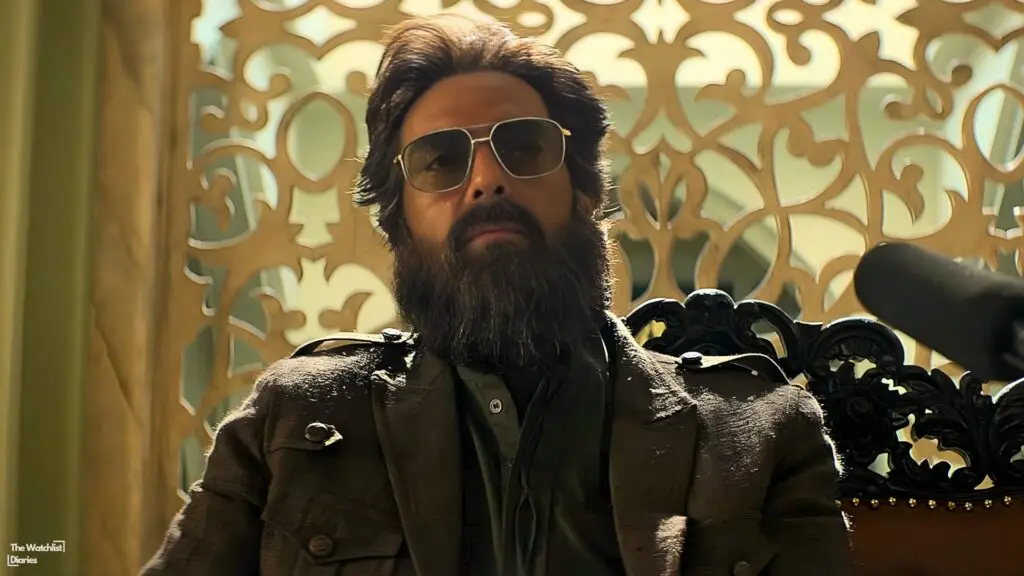
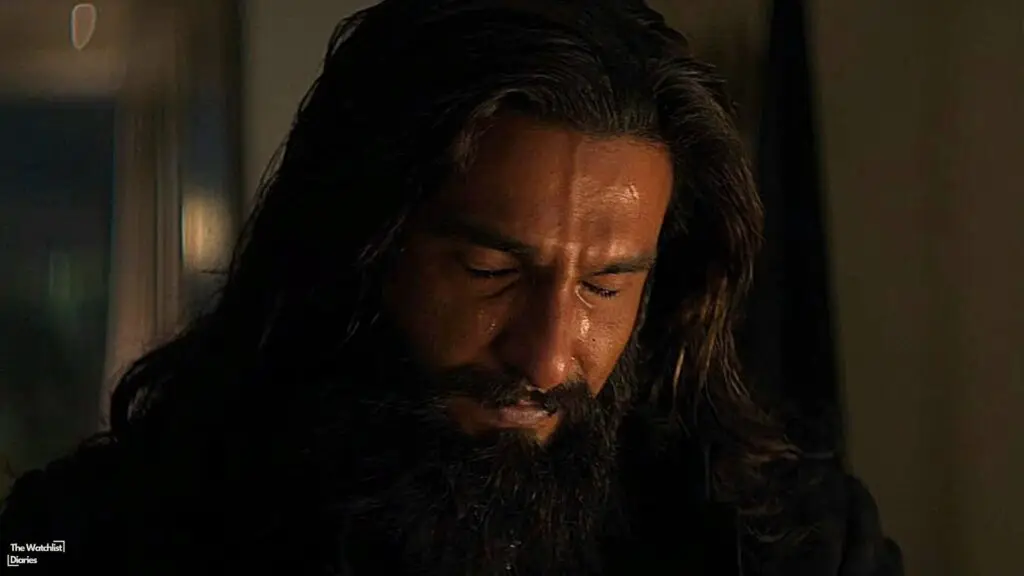
Ranveer Singh is operating at full command here. If you thought he carried the first film well, this sequel gives him even more room to prove why he belongs in conversations around the strongest performers of his generation. The obvious intensity is there, but what stayed with me more were the quieter scenes. There are stretches where very little is spoken, yet the exhaustion, damage, and emotional burden of Hamza’s life still become visible through expression alone.
That restraint lands harder than many louder moments.
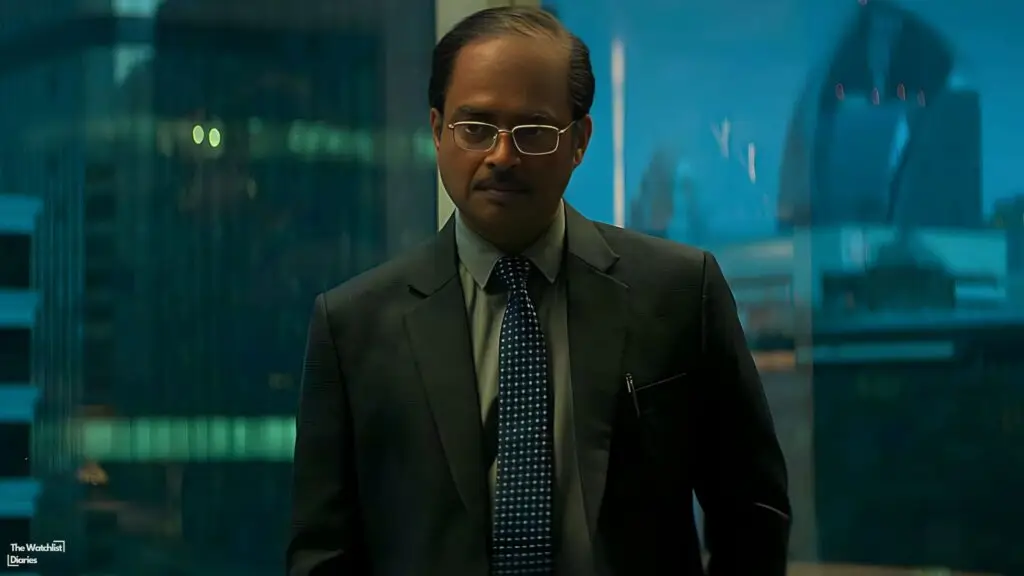
Arjun Rampal finally gets enough space to become properly threatening as Major Iqbal, and he understands exactly how unpleasant the role needs to feel. He brings the kind of hostility that immediately creates audience reaction, which is exactly what that character needed.
Will there be a Dhurandhar 3?
Without getting into spoiler territory, the film leaves enough closure that nobody will feel cheated if this is where Hamza’s journey stops. At the same time, there is enough ambiguity left alive that another return remains possible if Dhar ever decides there is more worth telling.
It feels similar to how several major action franchises now close one chapter while quietly keeping a small door unlocked behind the curtain. Just look at how Mission Impossible: Final Reckoning ended.
And honestly, given the way Dhar handles escalation, another return would still create curiosity rather than fatigue.
Final thoughts: Bigger, Bloodier and Worth it
This sequel may not have the same raw edge the first film carried scene for scene, but it still understands scale, emotional tension, and how to keep an audience locked in for an unusually long runtime.
Some films lose momentum when they become larger. This one mostly manages the weight.
Rating:
I am going to give it a 4 stars out of 5. For all its cinematic convenience, political sharpness, censorship frustrations, and dramatic excess, it still delivers the one thing a sequel absolutely cannot fail at: making the theatre stay invested until the very end. Dhar has truly managed to create one of the best action thrillers of Bollywood.
You should definitely watch in theatres. Absolutely do not wait for an OTT release. Some movies and story telling deserve the big screen experience.
If you have already watched it, tell me where you stand: did this one match the first film for you, or does the original still hit harder when you think back on it?
Keep checking The Watchlist Diaries. A spoiler-heavy breakdown will probably happen once more people have had time to catch the movie.
You may also like