Feel My Voice Review (2026): A Quiet Italian Drama That Finds Emotion in Family
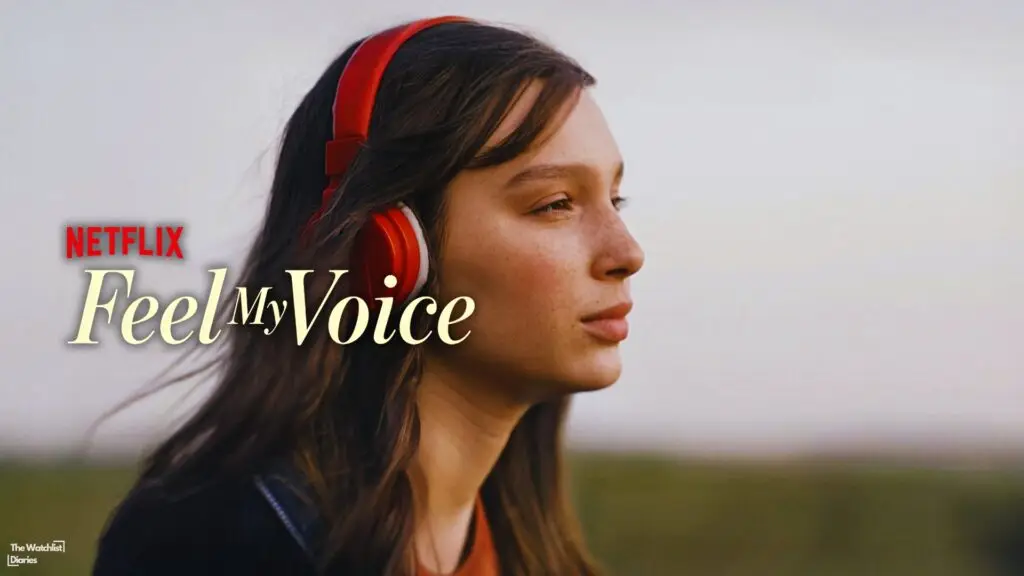
Netflix keeps quietly dropping international films that do not arrive with much fanfare, and Feel My Voice is exactly the kind of movie you could easily scroll past unless the premise catches your eye. A family drama set in the Italian countryside where the only hearing daughter in a deaf household dreams of becoming a singer already sounds emotionally loaded enough to make you stop and think, alright, this could either be genuinely moving or one of those films that leans too heavily on a strong premise and forgets to build enough around it.
That curiosity is what pulled me in too. The setup sounds immediately compelling: one girl carrying a voice in a home built around silence, while also standing at a point where choosing her own future could feel like abandoning the people she loves most. It has enough built-in emotional conflict to work even before the story begins. The real question is whether Feel My Voice actually holds that weight for a full film or slowly runs out of things to say once the premise settles.
At a Glance
- Title: Feel My Voice
- Original Title: Non abbiam bisogno di parole
- Language: Italian
- Genre: Family Drama, Coming-of-Age, Musical
- Streaming On: Netflix
- Main Cast: Sarah Toscano, Serena Rossi, Emilio Insolera, Carola Insolera
- Our Rating: 3 out of 5 stars
A Simple Story That Knows Exactly Where Its Emotional Weight Lies
Feel My Voice, originally titled Non abbiam bisogno di parole, which translates to “We Don’t Need Words,” is an Italian coming-of-age musical drama that quickly found attention in Italy after landing on Netflix. At the centre of it is Eletta Musso, played by Sarah Toscano, the only hearing child in the Musso family.
Eletta lives in a home where everyone else navigates life through silence, yet she discovers that music is not just something she enjoys, it is something she wants seriously enough to build a future around. That future points toward Turin and a formal musical path that would inevitably take her away from home. What makes that conflict work is that the film never frames her choice like a simple ambition story. Eletta is not just leaving a house behind. She is leaving responsibilities too, because the movie makes it very clear that she carries more practical emotional weight in the family than someone her age probably should.
The whole film essentially rests on that tension. There is a romance angle too, though honestly the way it is written often feels like the film remembered midway that a coming-of-age story usually adds one.

The Musso Family Is Messy, Funny, And Sometimes Brutally Honest
What really keeps the film alive is the Musso family itself. They are donkey breeders, and I actually appreciated that the film never treats that detail like something embarrassing or quirky for easy laughs. It simply belongs to who they are. The family has eccentric energy from the start, especially through Eletta’s mother Carola Musso, played by Carola Insolera, and father Alessandro Musso, played by Emilio Insolera. They keep many scenes naturally warm, but what surprised me most is how sharply the movie shifts when it wants emotional discomfort.
There are moments here that feel genuinely brutal. A mother blaming her daughter because singing feels emotionally distant from the world she understands is uncomfortable enough already. Then the film goes further and lets Giuliana openly admit that when doctors told her her newborn daughter could hear, she did not immediately feel joy. She felt resentment.
That is a hard line for a film to write because it risks instantly turning a character unsympathetic, but Feel My Voice handles it carefully. It does not soften that confession and it does not rush to excuse it either. It simply allows that emotion to sit there as something ugly, human, and shaped by years of carrying her own wounds.
You can feel that the film understands what that resentment really means. It is not hatred toward her daughter. It is fear, difference, insecurity, maybe even years of internalised exclusion surfacing in the worst possible way. Families are complicated, and this film actually trusts that discomfort instead of cleaning it up too quickly.
When The Film Works Best, It Lets Emotion Speak Quietly
Eventually the same family that creates most of Eletta’s emotional conflict becomes the reason she can finally move toward her audition. That progression works because the film never turns it into a dramatic sudden transformation. Support arrives slowly, awkwardly, almost like everyone in the family is still learning how to understand what Eletta’s dream actually means.
One of the better emotional ideas in the film is that the Mussos will never hear Eletta’s voice the way everyone else does, yet they still recognise what her singing does to people. Watching others react to her becomes its own kind of revelation for them. That lands better than many of the louder scenes because the movie does not over-explain it. It trusts the moment enough to let the reaction carry meaning.
The Plot Is Thin, And You Definitely Feel It
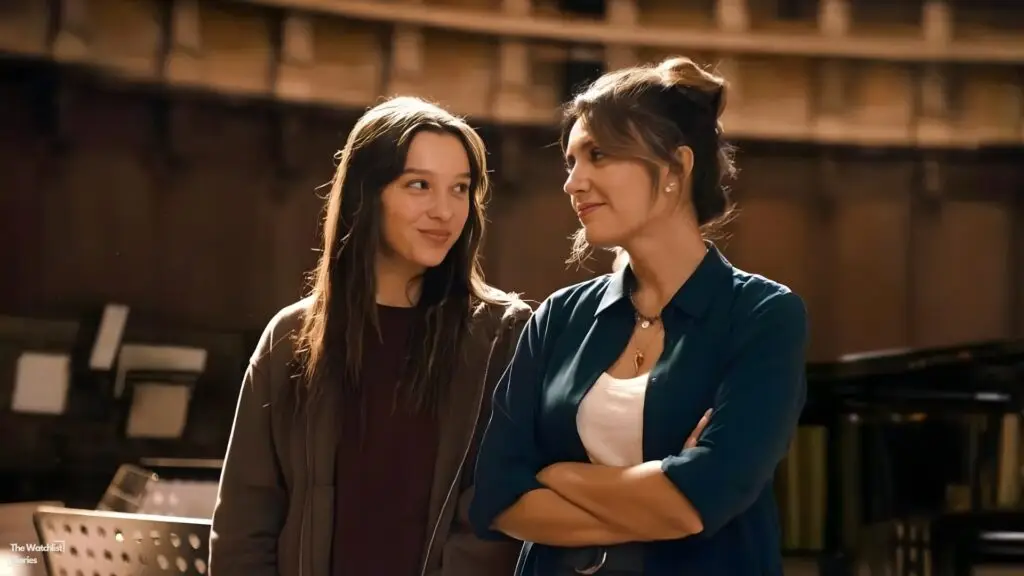
Now this is where the film starts showing its limitations. Once you step outside the family conflict, there really is not a lot happening underneath. The emotional premise carries most of the weight, but structurally the film remains very light. You can feel that in the middle portions where scenes continue more on warmth than progression.
The realism also asks for a generous amount of suspension of disbelief. Eletta apparently starts singing seriously for only a few months and suddenly reaches a level where a prestigious musical program becomes possible. I mean, alright, cinema gets its dramatic shortcuts, but that part definitely asks you not to think too hard. It is one of those moments where you just accept that the film wants emotional payoff first and realism second.
The Romance Feels Like It Was Added Because The Genre Expected It
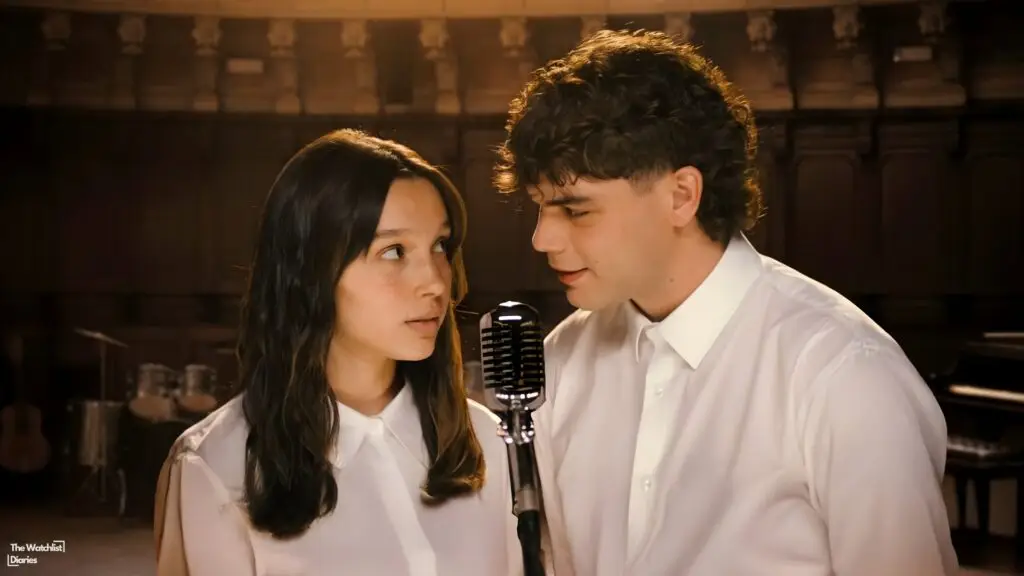
The romance subplot is where the film feels least confident. The male character, Marco, played by Alessandro Parigi, mostly exists as an outline: broody, slightly mysterious, sings, fights MMA, and carries exactly enough emotional distance to fit the familiar misunderstood young man slot.
Beyond that, there is not much depth there. You do not really learn enough about him to invest in the relationship itself, which is why the romance often feels more functional than necessary. It mainly exists so Eletta can access emotional vulnerability through music, and maybe that was all the film needed from him, but it still feels underwritten.
Pacing
Usually this is where I start complaining about pacing because if you have read enough of my reviews, you already know I almost always crib about runtime. This time, surprisingly, I did not mind it much. Given how thin the plot is, the pacing actually holds fairly well. If I wanted to be extra harsh, maybe trimming five minutes would tighten things even more, but that feels more like me forcing my usual complaint rather than an actual issue here. Yes, this may be one of those rare moments where I am not seriously picking a fight with runtime.
The Music Carries The Mood Even When The Story Slows Down
I usually have a soft spot for musicals anyway, so this part naturally worked for me. The songs in Feel My Voice help hold the film together emotionally, especially in moments where the narrative itself is not doing much heavy lifting. I did notice some people saying Sarah Toscano may not technically sound strong enough for the level of singing the film expects.
I honestly do not think I have the credentials to judge vocal precision here, especially because I do not speak Italian and half my judgement at that point is simply whether the performance feels emotionally convincing. And for me, it did. If we are judging purely on vibes, the vibes were very good.
Final Verdict
I liked the film despite the flaws because it knows how to stay charming even when the story itself remains simple. It has warmth, it has emotional honesty, and the Italian countryside helps more than the film probably realises.
Rating:
I am giving Feel My Voice 3 out of 5 stars.
This feels like a good one-time watch when you want something calm, slightly cozy, and emotionally grounded without demanding too much. If music, family tension, and quiet European drama already sound appealing, there is enough here to enjoy. If those elements do not pull you in, this may feel too slight.
Feel My Voice is now streaming on Netflix.
Did Feel My Voice work for you emotionally, or did you also feel the story stayed thinner than the premise promised? If you enjoy reviews like this, check out the rest of The Watchlist Diaries.
You may also like