IT: Welcome to Derry Review — A Town That Remembers Its Nightmares
The show opened to mixed reviews from critics and audiences, who praise its deep dive into the lore, strong performances (especially Bill Skarsgård’s return as Pennywise), and shocking horror sequences, but some criticize its reliance on CGI, uneven pacing, and unnatural dialogue for the 1960s setting. But what is the truth? Let’s find out.
Setting the Stage: A Return to Derry
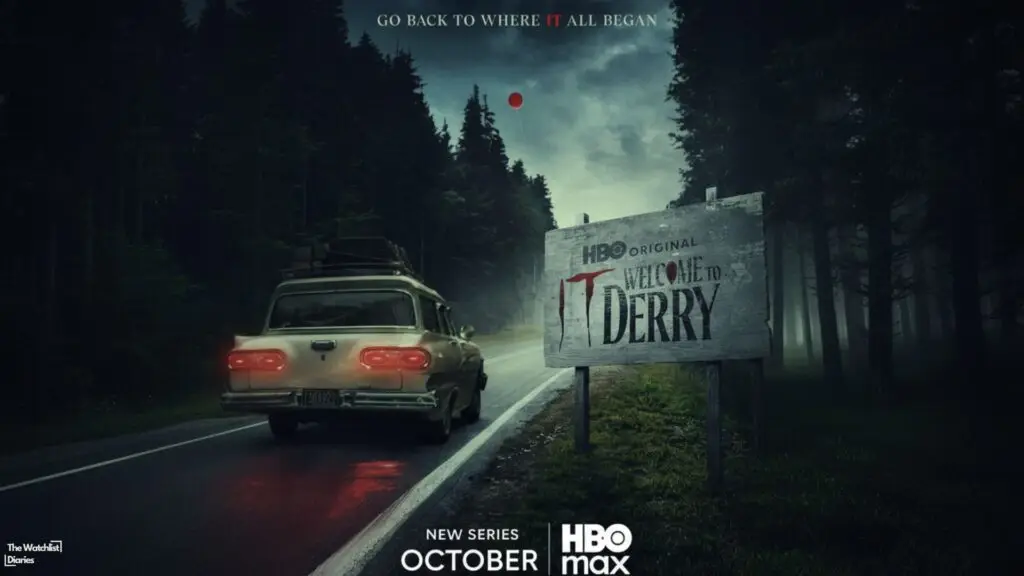
IT: Welcome to Derry takes us back to the infamous town decades before the Losers’ Club ever faced Pennywise. Set in early-1960s America, the series treats Derry not just as a backdrop, but as a living, complicit character. On the surface, it’s a quiet small town; underneath, it’s soaked in denial, fear, and cyclical violence.
What works well here is the slow-burn approach, instead of immediate jump scares, the show builds dread through everyday normalcy, letting viewers feel how evil survives because people choose not to see it.
The Plot: Expands Narrative Depth
Unlike the movies, which focus heavily on a group of kids versus a monster, the series expands the lens. The narrative is multi-layered, following families, children, and authority figures, all slowly pulled into Derry’s curse.
The writing leans into intergenerational horror, the idea that evil repeats because trauma is inherited, ignored, or normalized kind of reminded us of the idea in Final Destination Bloodlines. Some episodes feel deliberately slow, but this pacing allows the story to breathe and makes the horror feel more inevitable than sudden.
Pennywise & the Nature of Evil
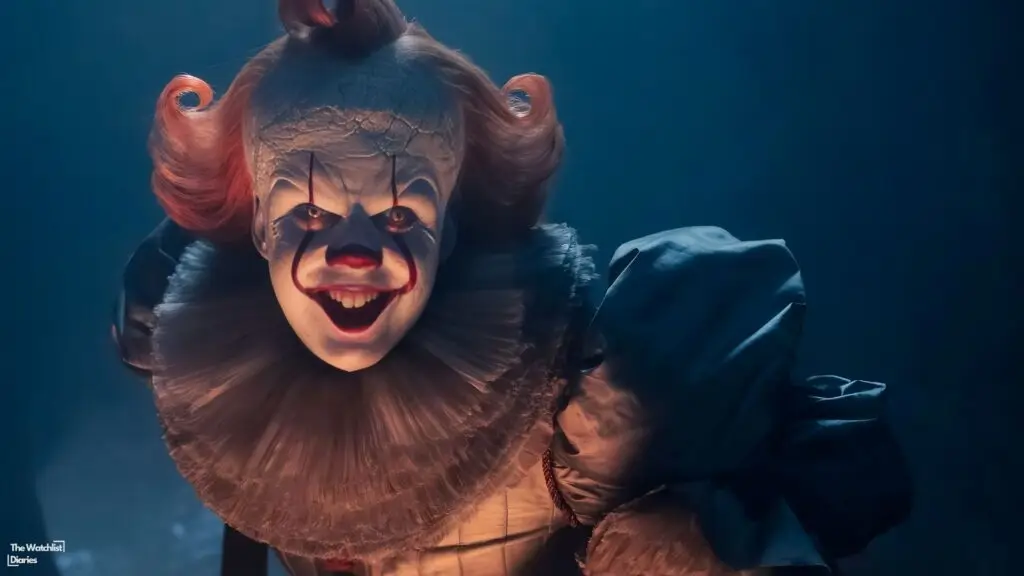
Pennywise is used more strategically than frequently. He appears less often, but when he does, the impact is strong. This version of Pennywise feels less like a standalone villain and more like a manifestation of Derry’s collective fear and cruelty. The show subtly reinforces a core Stephen King idea: Pennywise doesn’t create evil… he feeds on what’s already there. Fear, hatred, violence, and silence are his true weapons.
The Stellar Cast
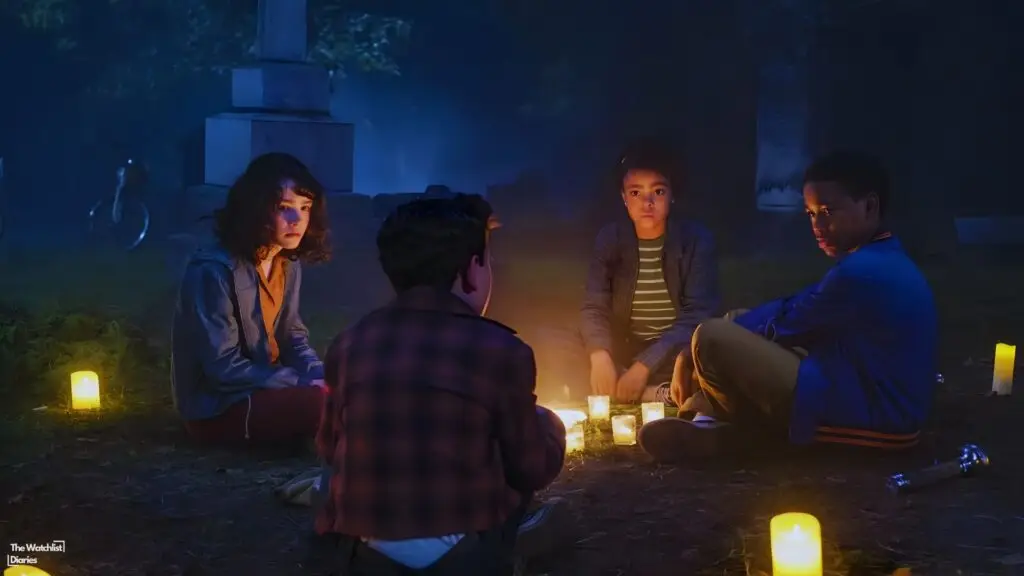
The ensemble cast delivers grounded performances that make the supernatural elements believable. Characters are flawed, scared, and often morally conflicted, which adds realism.
Standout performances come from actors portraying parents and authority figures, emphasizing how adult failure enables the cycle to continue. Children aren’t just victims here, they’re observers of a broken system, which makes their fear feel earned rather than exaggerated.
The Visuals: Eerie and Stunning
Visually, the series is moody and oppressive. Muted colors, long silences, and lingering shots create a sense of unease. The horror leans more toward psychological and atmospheric dread than constant gore. That said, the show occasionally relies too much on CGI for creature moments, which slightly undercuts the tension. The strongest scares are the quiet ones that creep in before you realize something is wrong.
Themes Beyond Horror
One of the boldest choices is how openly the series tackles social issues of the 1960s, including racism, exclusion, and institutional silence. These themes aren’t just background context, they actively shape the horror. Sometimes this balance isn’t perfect, and a few viewers may feel the message overshadows the scares. But when it works, it adds emotional weight and reinforces the idea that Derry’s real curse is its people’s refusal to confront the truth.
So What's In Store For The Future
The biggest strength of Welcome to Derry is its anthology-like potential. Future seasons could:
- Explore earlier historical periods, showing Pennywise’s influence across generations
- Deepen Pennywise’s mythology without over-explaining his origins
- Connect more clearly to other Stephen King universes
- Refine pacing and balance horror with social commentary more smoothly
If executed well, the series could become a definitive long-form exploration of evil as a recurring social disease, not just a monster story. Also here we explore other powers of Pennywise which are really unique.
Final Verdict
IT: Welcome to Derry is ambitious, atmospheric, and thematically rich, even if it’s not always perfectly paced. It’s less about constant scares and more about why horror keeps returning.