Why Is The Apothecary Diaries So Popular?
The Apothecary Diaries, you know, that seinen anime your one anime friend just will not shut up about. Yeah, I am part of that group too. The last time I wrote about it, I talked about how it felt like the quiet kid in class. The one who never raised their hand, never stood out, but always had the smartest answer when called upon. Back then, it felt underappreciated.
Over the course of two seasons, that has changed. Slowly, organically, without forcing itself into the spotlight, The Apothecary Diaries found its audience. So why is The Apothecary Diaries so popular now, and why does it genuinely deserve the hype it gets?
Maomao Is a Rare Kind of Protagonist
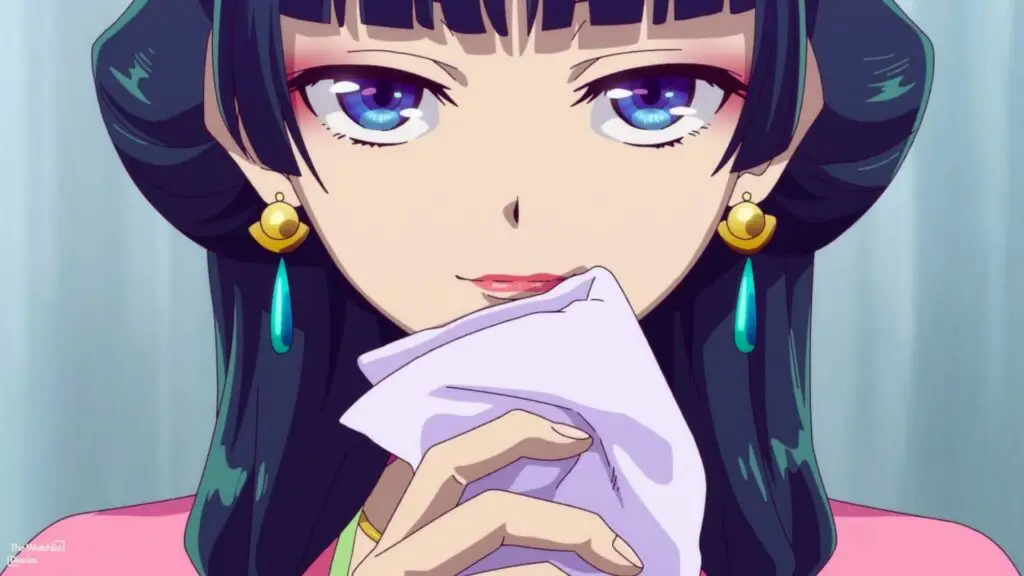
One of the biggest reasons The Apothecary Diaries is so widely recommended is Maomao. The story is filtered almost entirely through her perspective, and that matters. She is not written as a hyper-competent genius who never fails, nor as someone constantly waiting to be rescued. She is just a girl who notices things others miss.
Maomao is curious, sharp, and observant, with a quiet but firm sense of justice. Do not tell her that though, she will deny it immediately. She is eccentric without becoming a caricature, layered without being dramatic, and painfully self-aware when it comes to other people. When it comes to herself, she conveniently switches that awareness off.
Anything that threatens her freedom gets mentally discarded. The show hints very early on that Maomao has already pieced together the truth about Jinshi, or at least most of it. She simply chooses not to connect the dots. Doing so would be dangerous, inconvenient, and far more annoying than spending her time experimenting with herbs. Self-preservation comes first.
An Unreliable Narrator Who Knows Exactly What She’s Doing
Maomao is also an unreliable narrator, and the anime subtly leans into that from the start. Everything we see is shaped by her point of view. For someone who insists she has no romantic interest, she sure spends a lot of time commenting on Jinshi’s appearance.
She justifies it as neutral observation, and to be fair, she does not fall for him because of his looks. What actually changes over time is where her attention goes. She stops focusing on the superficial and begins noticing how much responsibility Jinshi carries, how exhausted he often is, and how alone that position makes him. Empathy creeps in, whether she likes it or not. The shift is gradual and quiet, which makes it feel honest.
Jinshi
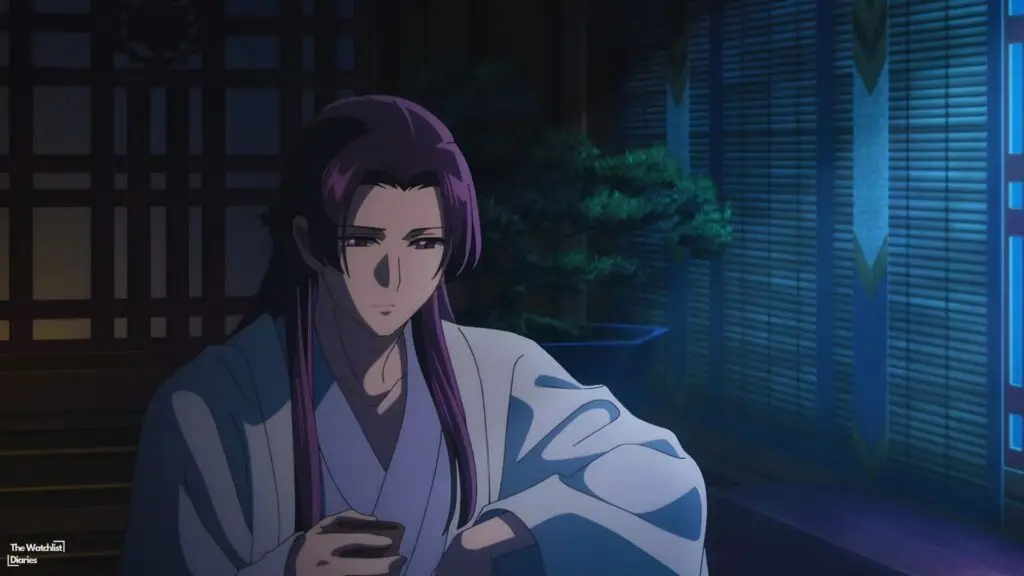
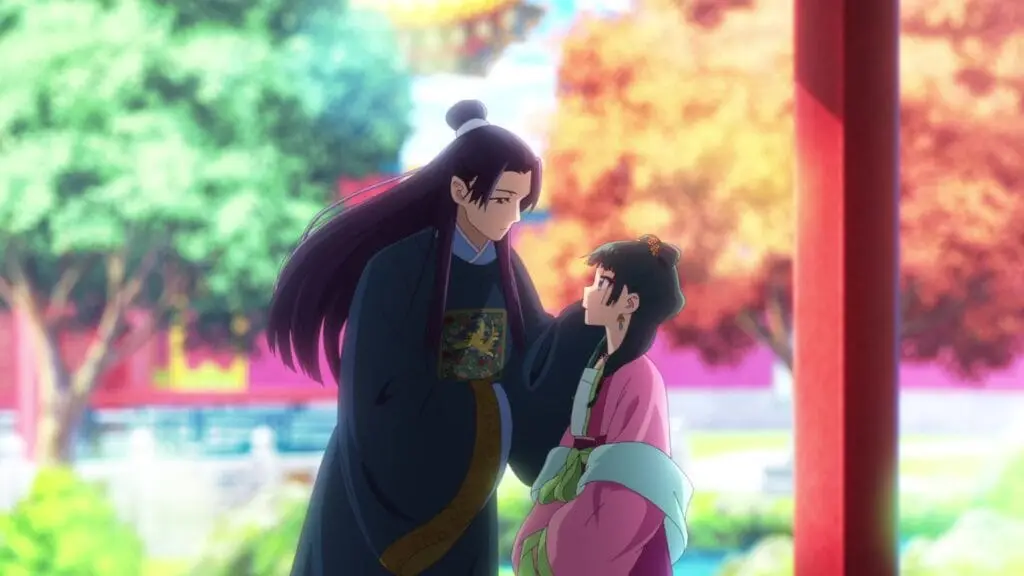
Maomao is not the only well-written lead here. Jinshi initially appears to be another beautiful male character who gets away with everything because of his looks. That illusion does not last long. He is deeply aware of the effect his appearance has on people, and he hates being reduced to it. That is why Maomao stands out to him immediately. She is not impressed, not flustered, and not interested in playing along. For someone surrounded by people who only see the surface, that is refreshing.
Jinshi carries immense responsibility and power, yet has very little freedom in how he uses it. He wants to run away, but chooses to stay and do what is right. He falls for Maomao early on, even though he cannot afford favorites and knows better than anyone what attachments cost him.
The romance takes its time, because The Apothecary Diaries prioritizes politics and mystery over love. Still, the romantic thread never feels like an afterthought. Jinshi and Maomao’s relationship is not a distraction from the story. It is one of its pillars.
Power, Freedom, and Why They Understand Each Other
Jinshi has power he cannot freely use. Maomao has no formal power at all, yet cannot stop herself from getting involved when something feels wrong. Both of them understand the value of freedom, and both are trapped by the systems around them.
Without getting into spoilers, they each have ties to the royal court that limit their choices. Their responses to that restriction differ. Maomao pushes back in her own eccentric way, loud when she needs to be, careless when she can afford it. Jinshi is reserved, measured, and constantly calculating consequences. Despite their differences, the desire underneath is the same. To live on their own terms, even if only a little.
Eccentricities, Poisons, and the Resurrection Drug
Maomao’s eccentricity deserves its own section. Her hobby, if it can be called that, involves collecting herbs and experimenting on herself. She has a fondness for poison, and often ingests it voluntarily just to understand its limits.
A rare herb, an unusual toxin, or even the idea of the so-called resurrection drug is irresistible to her. It is dangerous, irresponsible, and deeply in character. These quirks never feel forced for humor. They reinforce who she is and what she values, knowledge over safety, curiosity over comfort.
Side Characters Who Refuse to Be Background Noise
One of the most impressive things about The Apothecary Diaries is how it writes its side characters, especially the women. Every woman in this story is sharp in her own way, constantly fighting to survive in an unjust world. The show draws an intentional parallel between the emperor’s rear palace and the brothels, both referred to as places of flowers. These flowers are not fragile. They have thorns.
Characters like Lihua and Gyokuyou may initially appear soft or passive, but the story gradually reveals how much calculation goes into their daily survival. Gyokuyou in particular is forward-thinking, from employing Maomao early to encouraging her daughter Lingli to learn about poison and medicine. She understands that Lingli’s future will be shaped by politics, and prepares her accordingly.
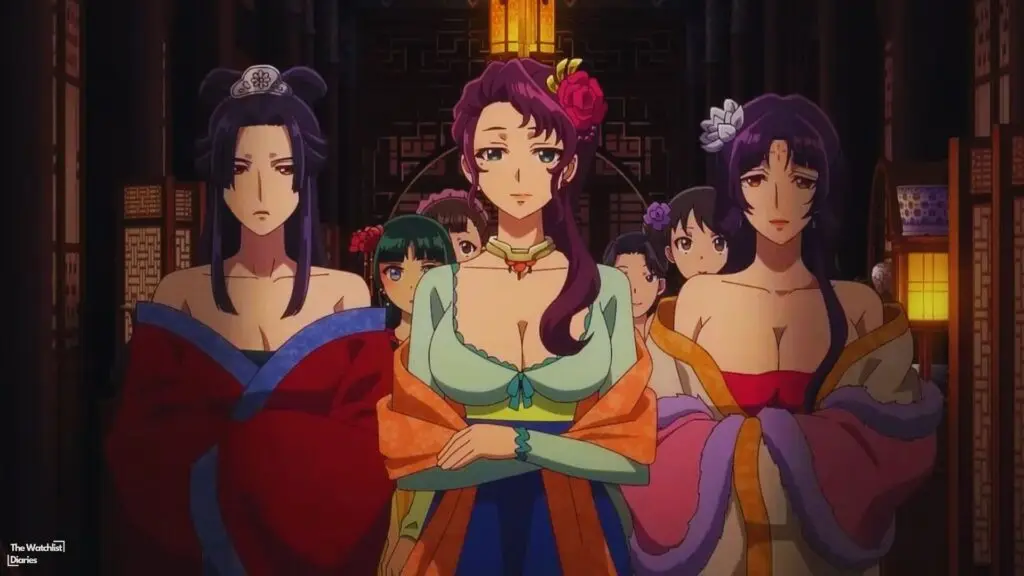
Then there is the Verdigris House, run by Granny. The story never spells it out, but the implication of her past and how she rose to her position is quietly powerful. She is strict, pragmatic, and protective in her own way. The three princesses of the Verdigris House each have distinct methods of survival, which become more apparent as the story progresses.
We will see much more of their pasts when The Apothecary Diaries Season 3 arrives in October 2026.
Even the Emperor Is Complicated
Even the emperor, who can come across as distant or cruel, is more layered than he initially seems. He is burdened by the sins of his predecessor and is trying, within limits, to be a just ruler. He challenges tradition subtly, not loudly, and his presence is felt even when he is not on screen.
Characters like Lakan, Lahan, Gaoshun or even Basen are given depth and motivation. No one exists just to move the plot forward, everyone has a purpose.
A Mystery That Rewards Paying Attention
The Apothecary Diaries excels at planting seeds. What feels like a simple case-of-the-week episode often ties into a much larger mystery. When the bigger picture finally clicks, usually late in Season 2, it hits hard. You realize that a throwaway line from Season 1 was never a throwaway line at all. The show rewards attention and patience, and it trusts the audience enough not to overexplain.
Why The Apothecary Diaries Deserves Its Popularity
So if you ask me why The Apothecary Diaries deserves the popularity it has now, the answer is simple. It earns it. It does not rely on flashy fights like Solo Leveling or Jujutsu Kaisen. Instead, it builds tension through character, politics, and layered storytelling. It respects its audience and its characters, and that goes a long way.
Do not just take my word for it. Watch it yourself. The series is streaming on Crunchyroll, and in some regions, on Netflix as well.
And if you want more anime breakdowns, character-driven stories, and recommendations like this, you know where to click next.
You may also like