Fauda Season 5 Review: Slower, Smarter, and More Emotional
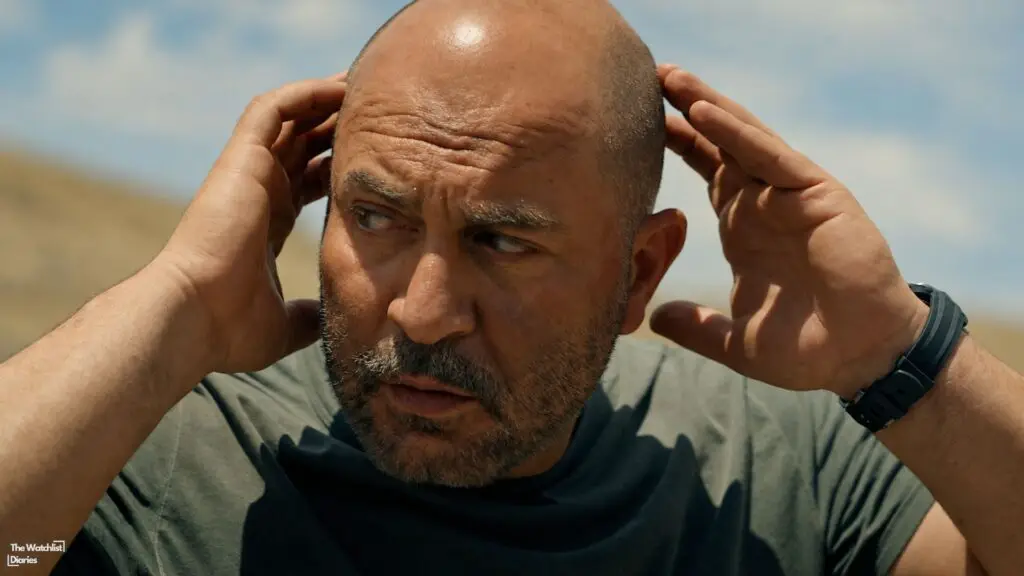
The smash-hit Israeli espionage thriller Fauda is back on Netflix with Season 5, and this time, the stakes feel more personal than ever. After eagerly waiting to see how the creators would tackle the aftermath of the October 7, 2023 attacks, I went into the new season wondering whether the show would simply go down the familiar action-thriller route or take a more emotionally grounded approach.
Thankfully, Fauda Season 5 tries something different.
Rather than turning everything into a nonstop revenge saga, the new season spends considerable time exploring grief, trauma, fear, and the emotional consequences of violence. It still has the action, tension, and espionage that Fauda fans expect, but the approach feels more mature and restrained this time around.
Does it work all the way through?
Well… there are a few buts.
What Is Fauda Season 5 About?
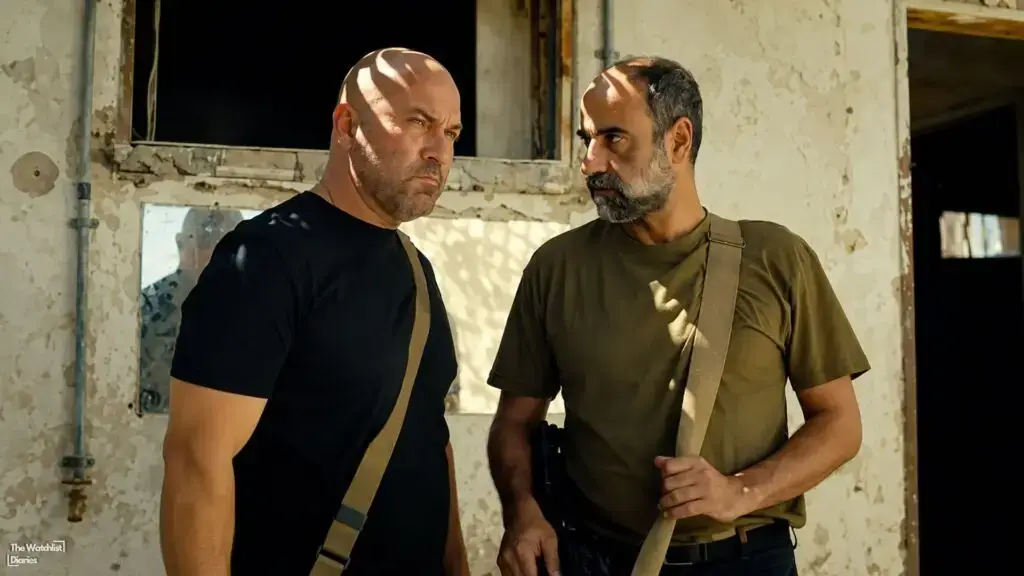
Set two years after the October 7 attacks, Fauda Season 5 follows Doron and his team as they deal with the personal consequences of what happened while trying to prevent another major attack. The season also takes the story beyond its usual setting, with parts of the mission unfolding in Europe.
At the centre of it all is a familiar question: does revenge actually bring closure, or does it only create another cycle of violence?
The characters are dealing with that question in very different ways. Some are consumed by grief, others by anger, while others are simply trying to protect the people they have left.
And that emotional conflict becomes one of the strongest parts of Season 5.
Now, let’s dive into the review.
What’s Good?
Old Is Gold
When we think of an espionage thriller built around revenge and retaliation, the first thing that usually comes to mind is a barrage of action sequences, shootouts, and increasingly elaborate missions.
Fauda Season 5 takes a different route.
The characters are not treated like unstoppable superheroes. Instead, the season gives them emotional arcs and lets their trauma actually affect their decisions.
Eli, Doron, and Steve are all fighting their own battles while trying to stay close to the people they love. There is a constant fear of losing someone again, and that fear influences almost everything they do.
The result is a much slower-burn season.
The action is still there, but it feels more grounded and technical rather than purely designed for spectacle. The direction also relies more on traditional action filmmaking and controlled camerawork instead of constantly cutting between rapid-fire shots.
That makes the action easier to follow and, more importantly, gives the characters room to breathe.
Instead of simply watching another high-octane mission unfold, you actually get time to feel what these characters are going through.
Violence Is Not the Answer
One of the most interesting things about Fauda Season 5 is how it treats violence.
The season certainly doesn’t shy away from it, but it also doesn’t glorify violence at every opportunity.
Early on, Eli is pushed towards revenge by people around him. Yet, instead of immediately jumping into action, the story allows him to hesitate and question what revenge would actually achieve.
Doron, too, understands that impulsive decisions can have serious consequences.
That idea becomes one of the season’s recurring themes: violence may provide a moment of satisfaction, but it cannot necessarily undo loss or restore what has already been taken away.
Considering the real-world events that inform this season, that theme gives the story an added emotional weight.
Episodes 7 and 8 Are Difficult to Forget
The most challenging part of Fauda Season 5 comes in Episodes 7 and 8, which take the story back to October 7, 2023.
These episodes are intense, disturbing, and difficult to look away from.
What works particularly well is that the show doesn’t constantly try to manipulate the viewer with excessive background music or exaggerated dramatic beats. Instead, it allows the events and the characters’ reactions to carry the emotional weight.
That restraint makes these episodes even more uncomfortable.
The depiction feels chaotic and immediate, while the characters are forced to deal with situations that are bigger than anything they could have anticipated.
These are not easy episodes to watch, but they are among the most memorable parts of the season.
Giving Every Character Some Room to Breathe
One of the biggest challenges of an ensemble thriller is making sure every major character gets enough screen time.
Thankfully, Fauda Season 5 largely manages to do that.
Doron, Eli, Steve, Gabi, Dana, and the other returning characters are given their own emotional beats instead of simply being used as extensions of the main plot.
The addition of Mélanie Laurent as Anne also brings a new dynamic to the story. She adds another layer to the international side of the narrative and fits naturally into the season’s more emotionally driven approach. Netflix lists Laurent alongside Lior Raz and the returning cast as one of the key players in Season 5.
The writing deserves credit here. Despite juggling multiple characters and storylines, the season usually knows when to give each of them their moment.

The Technical Details Matter
The best espionage thrillers understand that real operations are rarely as flashy as movies make them appear.
Planning, surveillance, communication, intelligence gathering, and timing matter just as much as gunfights.
Fauda Season 5 understands that.
The show continues to follow a grounded approach to its missions instead of turning everything into a larger-than-life spectacle. Even when the story moves into more conventional thriller territory, it generally tries to maintain a sense of realism.
There is a slightly old-school quality to its filmmaking, and that actually works in the show’s favour.
It feels less interested in showing off and more interested in putting you inside the operation.
That Ending
The final stretch brings several fan-favourite characters together for an emotional payoff.
But don’t expect a straightforward feel-good reunion.
The finale carries the weight of everything that came before it, and the emotional payoff works largely because the season has spent so much time establishing what these characters have lost.
A little surprise is also tucked into the final moments that long-time fans may recognise.
The ending is not loud or overly theatrical. Instead, it leaves you with something much quieter, and arguably more fitting for this season.
What’s Not Good?
The Narrative Can Feel One-Sided
This will probably be the most debatable part of my review.
Fauda Season 5 tells this story predominantly through its established Israeli characters and their experiences. That is understandable given the show’s premise and perspective, but it also means other perspectives on the conflict receive comparatively little space.
Some characters on the Palestinian side are written in broad strokes, with less room given to their individual motivations and emotional experiences than to the central Israeli characters.
That can make certain parts of the conflict feel simplified, particularly because the season is drawing from very recent real-world events that audiences already know are enormously complex.
To be clear, this is not necessarily a problem for the show’s fictional premise. But for viewers expecting a more expansive examination of different perspectives, Fauda Season 5 may feel narrower than the real-world context surrounding it.
A Few Loose Ends
Earlier, I praised the season for giving its characters room to develop.
However, one particular character feels like an exception.
The character initially appears to be heading towards something important, only for that storyline to gradually fade into the background. After disappearing from the narrative around the middle of the season, there isn’t enough clarity about what ultimately happens to him, even by the finale.
It’s not a deal-breaker, but it does leave you wondering whether the storyline originally had a larger role before being trimmed down.

Fauda Season 5 Review: Final Verdict
Fauda Season 5 takes a different path: slower, more emotional, and more old-school than its predecessors.
Instead of relying purely on relentless action, the season focuses heavily on trauma, grief, revenge, and the emotional aftermath of violence.
And that change mostly works.
The action is still present. The espionage elements remain engaging. The technical details feel grounded. The performances are strong, and Episodes 7 and 8 provide some of the season’s most difficult and memorable moments.
At the same time, the season has its weaknesses. Some storylines feel underdeveloped, and its predominantly Israeli perspective may leave viewers looking for a broader exploration of the conflict, wanting more.
But as a piece of television, Fauda Season 5 is still an absorbing and emotionally heavy watch.
It doesn’t simply ask who is right or wrong.
It asks what happens to people after the violence is over and whether revenge can ever really fill the space left behind by loss.
Fauda Season 5 is now streaming on Netflix.
Rating:
What do you think about this season? Do let us know in the comments below.

Avik
More From Avik






You may also like