
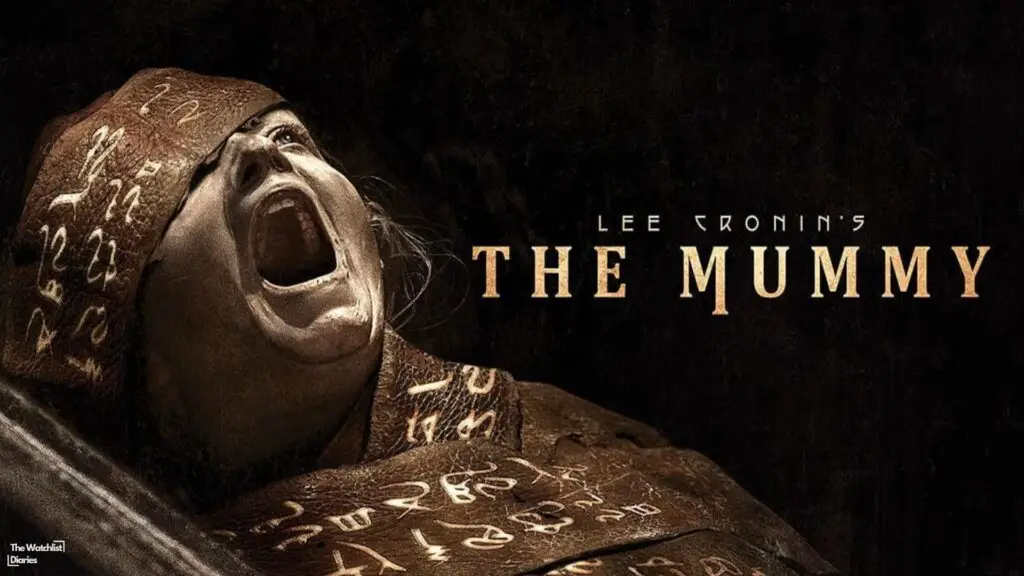









In a cinematic landscape where reboots and re-imaginings often struggle to justify their existence, Lee Cronin brings a refreshing, haunting perspective with The Mummy. Known for his work in atmospheric horror, Cronin takes a bold step away from the adventure-heavy legacy associated with The Mummy franchise and instead leans fully into dread, psychological tension, and raw human vulnerability.
This isn’t a story about swashbuckling heroes or grand spectacles, it’s a slow, suffocating descent into something ancient, incomprehensible, and deeply unsettling. The film sets out to remind audiences why the concept of the mummy has endured for centuries; not as a relic of myth, but as a symbol of consequences buried in time, waiting to be awakened.
At its core, The Mummy 2026, revolves around the unearthing of an ancient entity whose presence disrupts not just the physical world but the psychological stability of those who encounter it. The narrative is deliberately paced, allowing tension to build gradually rather than relying on immediate shocks. Cronin understands that true horror lies not in what is shown outright, but in what is implied, hinted at, and slowly revealed.
The story begins with a seemingly routine archaeological discovery, an excavation driven by curiosity, ambition, and perhaps a touch of arrogance. However, it quickly becomes evident that this is no ordinary find. The tomb, steeped in ominous history, carries with it a sense of foreboding that permeates every frame. As the characters delve deeper, both literally and metaphorically, they begin to unravel forces far beyond their comprehension.
What makes the narrative compelling is its focus on inevitability. There is a constant sense that events have already been set in motion, that the characters are merely participants in a fate they cannot escape. This inevitability transforms the film from a simple horror story into a meditation on consequence; on what happens when humanity oversteps its bounds.
A horror film of this nature relies heavily on its performances, and The Mummy delivers in this regard. The cast brings a level of authenticity that grounds the supernatural elements, making the unfolding feel believable and emotionally resonant.
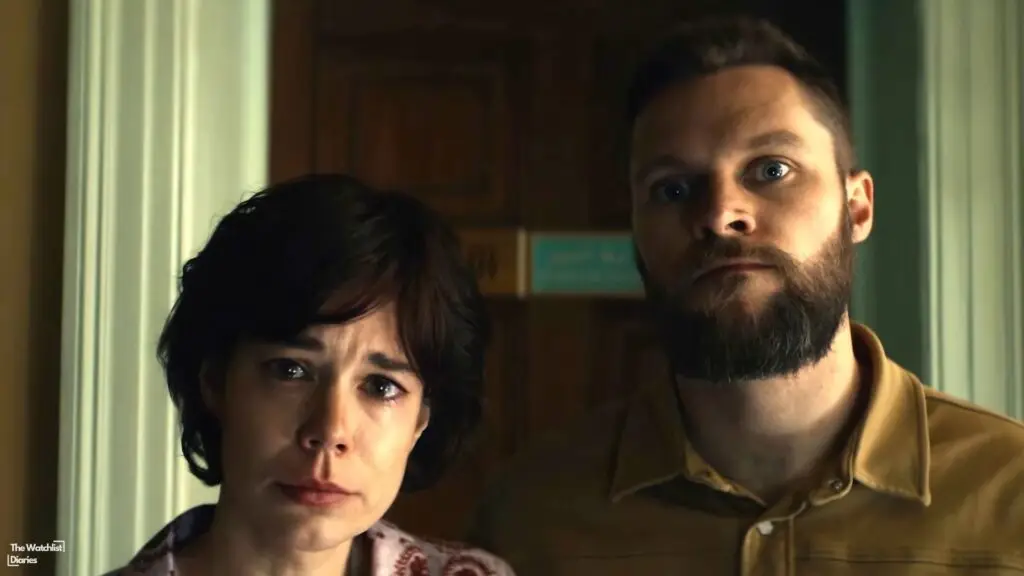
Rather than resorting to exaggerated expressions of fear, the actors portray a more subdued, internalized form of terror. This approach aligns perfectly with Cronin’s vision, where horror is less about external chaos and more about internal collapse. The protagonist, in particular, serves as a compelling lens through which the audience experiences the story of a character whose initial curiosity gradually transforms into dread, guilt, and desperation.
Supporting characters are not mere background figures; each one contributes to the narrative’s emotional weight. Their interactions, conflicts, and individual responses to the unfolding horror add layers to the story, ensuring that the film remains engaging even during its quieter moments.
Lee Cronin’s direction is perhaps the film’s greatest strength. His approach to storytelling is deliberate, controlled, and deeply atmospheric. He avoids the temptation to rush, instead allowing scenes to linger just long enough to create discomfort.
The cinematography plays a crucial role in this. Dark, confined spaces dominate the visual landscape, reinforcing a sense of claustrophobia and entrapment. Light is used sparingly, often casting long shadows that obscure more than they reveal. This interplay between light and darkness mirrors the film’s thematic exploration of the known versus the unknown.
Camera movements are subtle but purposeful. Slow pans, lingering close-ups, and carefully framed shots draw the audience into the scene, making them feel like silent observers trapped within the unfolding. There’s a noticeable absence of flashy techniques. Instead, the film relies on simplicity and precision to achieve its impact.
If the visuals establish the film’s atmosphere, the sound design elevates it to another level. The Mummy makes exceptional use of silence, understanding that the absence of sound can be just as powerful as its presence.
The background score is minimalistic yet effective, often blending seamlessly with ambient sounds to create a continuous sense of unease. Low frequency tones, distant echoes, and subtle auditory cues work together to keep the audience on edge. There are moments where the sound seems to creep in almost imperceptibly, building tension without drawing attention to itself.
When the film does employ sudden audio shifts, they feel earned rather than cheap. These moments are not overused, ensuring that they retain their impact. Overall, the sound design complements Cronin’s vision perfectly, reinforcing the film’s slow-burn approach to horror.
Beyond its surface-level narrative, The Mummy explores several deeper themes that add to its richness. One of the most prominent is the idea of consequence, specifically, the consequences of human curiosity and ambition. The film raises an important question: just because something can be uncovered, does it mean it should be?
There is also a strong emphasis on the past’s persistence. The mummy itself serves as a metaphor for unresolved history, for forces that refuse to remain buried. This theme resonates on both a literal and symbolic level, making the film feel relevant despite its ancient subject matter.
Another key theme is psychological disintegration. As the story progresses, the characters are not only threatened physically but also mentally. Their perception of reality begins to shift, blurring the line between what is real and what is imagined. This internal tension adds a layer of complexity, transforming the film into more than just a traditional horror experience.
One of the film’s greatest strengths lies in its commitment to atmosphere. Every element from performances to visuals to sound, works in harmony to create a cohesive and immersive experience. The decision to prioritize mood over spectacle sets it apart from previous interpretations of The Mummy, offering something fresh and distinctive.
However, this approach may not resonate with all audiences. The slow pacing, while effective in building tension, can feel prolonged at times. Viewers expecting a fast-paced, action-oriented narrative may find themselves disengaged. Additionally, the film’s focus on subtlety means that certain plot points and character arcs are not explored as deeply as they could have been.
That said, these limitations are largely a matter of preference rather than flaws. For those who appreciate slow burn horror, they are unlikely to detract significantly from the overall experience.
The Mummy under Lee Cronin’s direction is a bold and thoughtful reimagining that prioritizes atmosphere, character, and thematic depth over spectacle. It strips away the adventure elements typically associated with the franchise and replaces them with something far more intimate and unsettling.
This is a film that demands patience, rewarding viewers who are willing to immerse themselves in its slow, deliberate pacing. It may not appeal to everyone, particularly those seeking high-energy entertainment, but for fans of atmospheric and psychological horror, it offers a deeply satisfying experience.
I am giving The Mummy 2026, a 3 out of 5 stars. In the end, The Mummy succeeds not by reinventing horror, but by returning to its roots, reminding us that the most terrifying stories are often the ones that unfold quietly, leaving a lasting impression long after the screen fades to black.
What do you think about this film? Do let us know in the comments below. Lee Cronin’s The Mummy is now in theatres, to find more info about where to catch it in your location click here. And for more such reviews, breakdowns and recommendations keep checking The Watchlist Diaries.