Ramayana: Part 1 Review – Yash Steals the Show in This Visual Spectacle
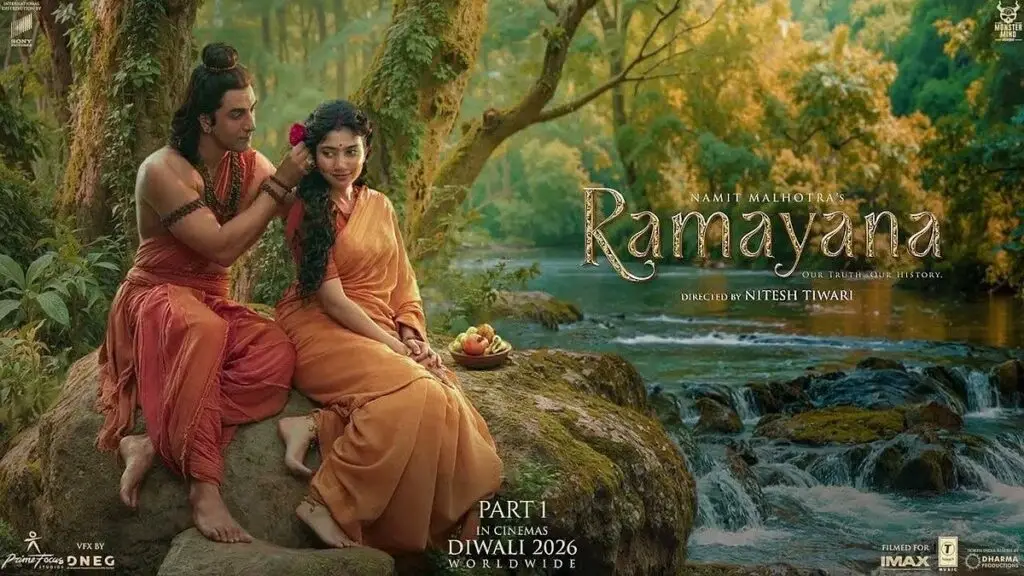
Ever since the cast and crew of Ramayana: Part 1 were announced, the film was destined to become one of the biggest talking points of 2026. With a massive budget, a star-studded cast, and some of the biggest names in the industry coming together, expectations were naturally sky-high.
Now that the film has finally arrived, it’s time to look beyond the hype and grand promises. Does Ramayana: Part 1 deliver what it promised, or is it just another super-premium version of Adipurush? Let’s find out.
What’s It About?
As with my other movie reviews, I won’t spend much time discussing the plot. After all, most Indians are already familiar with the story of the Ramayana, or at least have some idea about it.
Whether you consider it history or mythology, this epic remains deeply connected to our cultural identity.
What makes this adaptation interesting is that the makers haven’t simply followed the conventional narrative of Valmiki’s Ramayana. Instead, they have explored stories and references from several other versions of the epic.
With the Ramayana having been retold in more than 300 languages worldwide, there is no shortage of interpretations, additional stories, and lesser-known accounts. The makers appear to have done extensive research to bring some of these lesser-explored events and narratives to the big screen.
But enough of the background. Let’s get into what works and what doesn’t.
I am diving right into the review now.
What Works?
1. VFX – A Visual Spectacle
Ramayana is an epic that demands a grand cinematic treatment. Bringing its world, characters, and battles to life requires an enormous investment in visual effects. Thankfully, the makers haven’t compromised on this front.
With Namit Malhotra, who heads the Oscar-winning VFX studio DNEG, leading the project, the film delivers some truly spectacular visuals.
Almost every major sequence feels larger than life and deserves to be experienced on the biggest possible screen. I would strongly recommend watching it in 3D and, if available, 4DX.
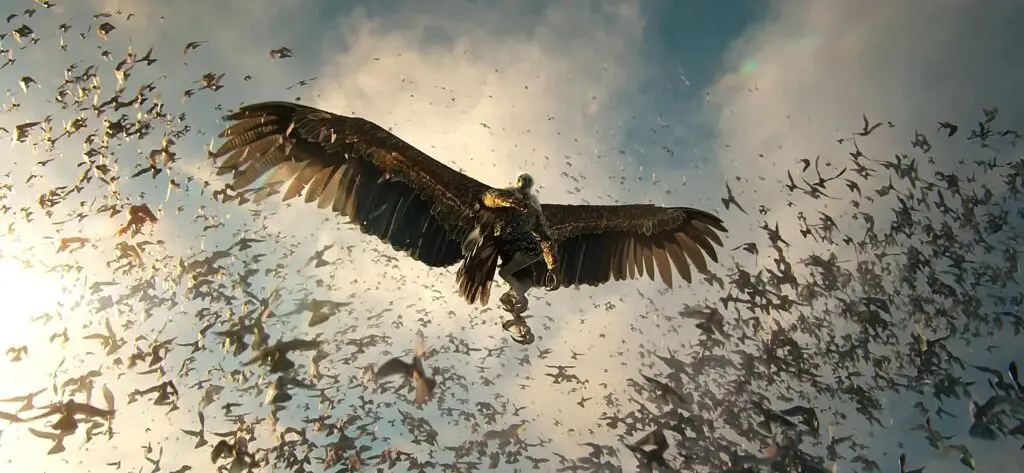
A special mention goes to the climax sequence featuring the battle between Jatayu and Ravana. It is easily one of the film’s biggest highlights. The sheer scale of the sequence, combined with Yash’s powerful screen presence, gives you genuine goosebumps.
2. Yash's Fiery Performance as Ravana
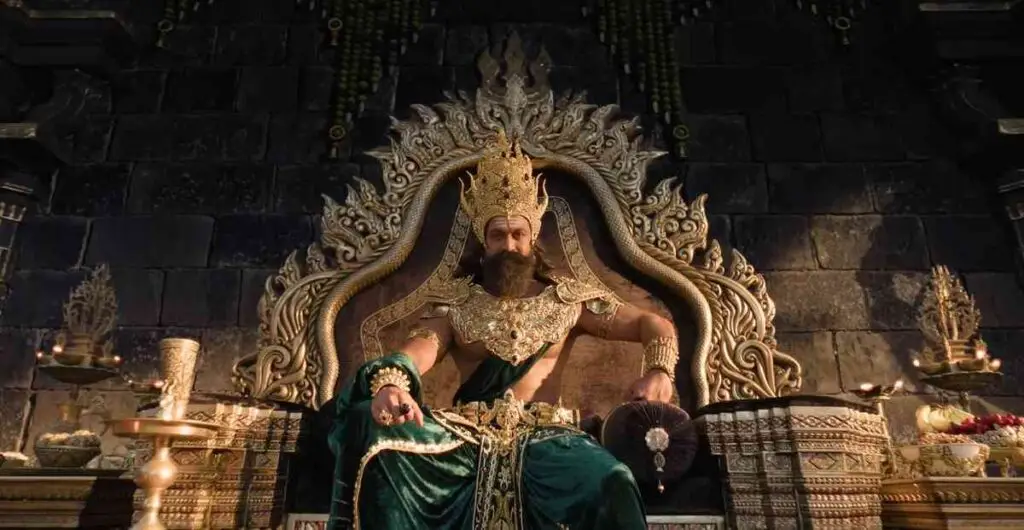
Some audience members have said the film glorifies Ravana. But does it really? I’ll leave that for you to decide after watching the movie.
What I felt was that the makers went beyond Valmiki’s traditional narrative and explored other retellings of the epic. This gave them more room to explore Ravana’s backstory and, in turn, allowed Yash to make the most of his character.
The first 40 minutes give considerable attention to Ravana, and Yash absolutely nails it. I couldn’t help noticing some similarities with his character in KGF, particularly the way he emerges as a powerful figure and almost a messiah for the oppressed. Only this time, it’s Ravana.
Another interesting addition is the portrayal of his ten heads as ten distinct personalities. It adds a fascinating dimension to the character.
The Tandav dance sequence is another highlight. In the climax, Yash delivers an impressive performance almost entirely through facial expressions, without relying on dialogue. Watch out for that sequence!
However, I did feel that Yash’s involvement as a producer may have resulted in Ravana receiving slightly more attention than some of the other characters.
3. Performances – Ranbir Kapoor, Sai Pallavi and Ravie Dubey
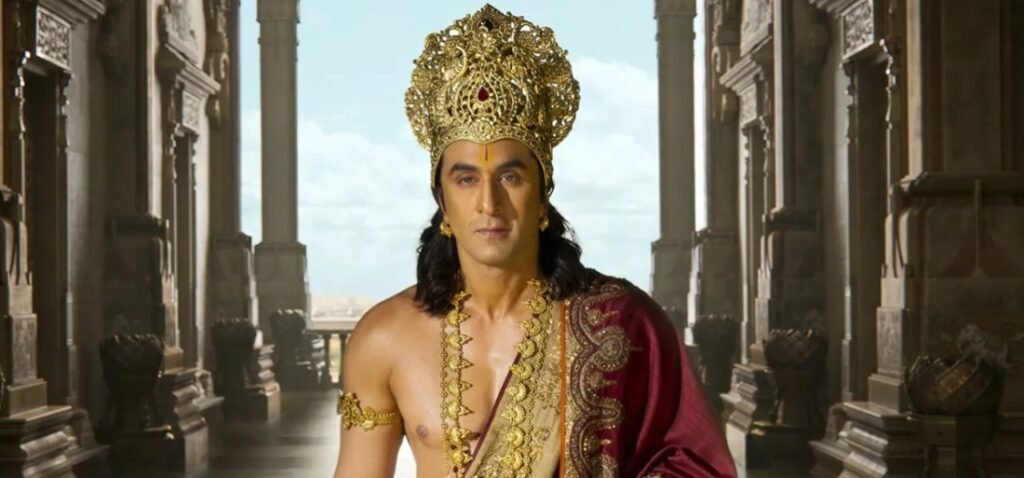
Ranbir Kapoor’s casting as Lord Ram has been one of the most debated aspects of Ramayana: Part 1. While some audience members felt he couldn’t do justice to the character, I thought his performance was deliberately restrained.
Perhaps the makers, led by Namit Malhotra, wanted to avoid unnecessary controversies and opted for a more controlled portrayal of Lord Ram. Ranbir, however, does much of the heavy lifting through his eyes and expressions.
The climax, in particular, gives us a glimpse of his actual acting prowess. I also felt that the makers might have followed an approach similar to Dhurandhar, where Ranveer Singh takes a relatively backseat in the first instalment, leaving more room for his character to shine in the sequel.
Sai Pallavi, on the other hand, fits perfectly into the role of Sita. Rather than portraying her as just a conventional damsel in distress, the film presents her as a warrior princess. This makes her casting feel even more appropriate.
One sequence in particular has someone impersonating Sita, and Sai Pallavi absolutely nails it.
A pleasant surprise for me was Ravie Dubey as Lakshman. I wasn’t particularly impressed by his earlier performances, but he genuinely surprised me here. He does a pretty good job, and I’m already looking forward to seeing his face-off with Indrajeet in the next instalment.
4. Background Score – A Collaboration to Remember
When you bring together two of the world’s most celebrated composers, expectations are bound to be high.
AR Rahman and Hans Zimmer coming together for Ramayana: Part 1 was one of the things I was most excited about. And thankfully, the background score does justice to the film’s grand scale.
Zimmer’s use of the violin in several sequences adds an emotional layer and makes certain moments even more immersive. There are scenes where the combination of cinematography and background music takes the overall experience to another level.
The music doesn’t just accompany the visuals; it elevates them.
What Doesn't Work?
1. Songs – A Missed Opportunity
When you’re making a cinematic epic like Ramayana, the music needs to be just as memorable as the visuals.
Unfortunately, despite having AR Rahman on board, the songs don’t quite live up to expectations. There aren’t too many of them, but most feel rather average.
Mangal Rang is one song that is likely to stay with you for a long time. However, the rest of the album is largely forgettable.
The makers could have explored more iconic bhajans and devotional compositions, which might have helped create an album with a much wider appeal.
Even the Ravana Tandav track lacks the intensity I was expecting. Personally, I feel Rishabh Rikhiram Sharma or Anirudh Ravichander could have brought a different energy to the composition.
2. Runtime – A Little Too Long?
For me, the runtime is one aspect where the film could have done better. I felt they could have trimmed at least 20 minutes without affecting the overall experience.
Of course, bringing an epic of this scale to the screen requires time. The makers have several characters, events and details to establish, so a longer runtime is somewhat understandable.
However, as Indian audiences, most of us already know what happens next. There aren’t too many surprises left in the narrative, and a few portions do feel unnecessarily stretched.
That said, the storytelling might work better for international audiences who aren’t as familiar with the different versions of the Ramayana.
Final Verdict: Should You Watch Ramayana: Part 1?
Ramayana: Part 1 gets most things right and delivers a massive visual spectacle. Despite a few shortcomings in its music and pacing, it remains an ambitious cinematic experience and arguably one of the biggest Indian films ever made.
If you’re still wondering whether to watch it or skip it, my recommendation is simple: book your 3D tickets and experience it with your entire family.
The film deserves to be watched on the biggest possible screen. And after that climax, I honestly cannot wait for Diwali 2028 to arrive sooner!
Jai Shri Ram!
P.S. Comment below if you managed to spot Sunny Deol’s voice in the credits!
Rating:
What do you think about this film? Do let us know in the comments below.

Avik
More From Avik
You may also like